Cape Town’s weather is as moody as a cat stuck in the rain. One day it’s windier than the top of Table Mountain, and the next, you’re melting in the heat. As a professional Cape Town locksmith who’s been around the blocks of Tokai, Camps Bay, and Bellville more times than I can count, I’ve seen first-hand how this wild weather can mess with your locks. So, how do you keep your locks from jamming, rusting, or downright quitting on you? Let’s dive into how to maintain your locks in Cape Town’s coastal climate.
The Cape Town Climate vs. Your Locks
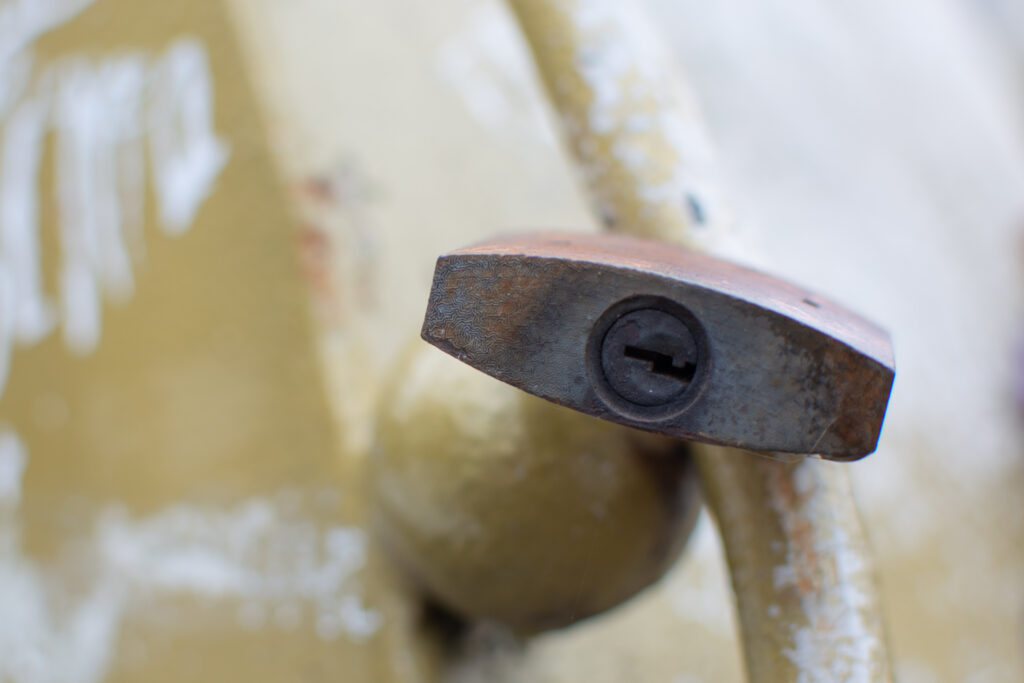
Cape Town’s unique weather—humid air from False Bay, salty sea breezes from the Atlantic Seaboard, and the fluctuating temperatures of the Southern and Northern Suburbs—can take a serious toll on your locks. Moisture and salt cause rust, while high UV exposure wears down plastic and rubber lock components.
Over time, this can lead to:
| Problem | Cause | Effect |
|---|---|---|
| Rusted Locks | Salt air & humidity | Jammed or stiff locking mechanisms |
| Worn Lock Housing | UV exposure | Cracking or brittle surfaces |
| Swollen Door Frames | Moisture absorption | Misaligned locks or difficulty turning |
So, what can you do to prevent these problems?
Why You Should Care About How to Maintain Your Locks
Ever been locked out in your socks on a chilly morning in Rondebosch? Not fun. Maintaining your locks isn’t just about longevity; it’s about convenience and security. Whether it’s your front gate in Claremont or your garage in Westlake, a well-maintained lock saves you from expensive repairs and late-night emergency callouts (though we’re always happy to help).
How to Maintain Your Locks the Right Way
I’ve worked on thousands of locks in areas like Plumstead, Simonstown, and even out in Noordhoek. Through years of hands-on experience, I’ve developed a tried-and-tested lock maintenance routine that keeps locks functioning smoothly—even in the salty sea air of Bloubergstrand.
Clean and Lubricate Regularly
Use a mild soap and warm water to wipe away grime and salt deposits. Then apply a silicone-based lubricant (never oil-based; it attracts dirt like a braai attracts uninvited guests).
Inspect for Rust and Wear
Every couple of months, check your locks for rust, especially if you live near the coast like in Sea Point or the West Coast. If you spot any, clean it off gently with a rust remover or steel wool.
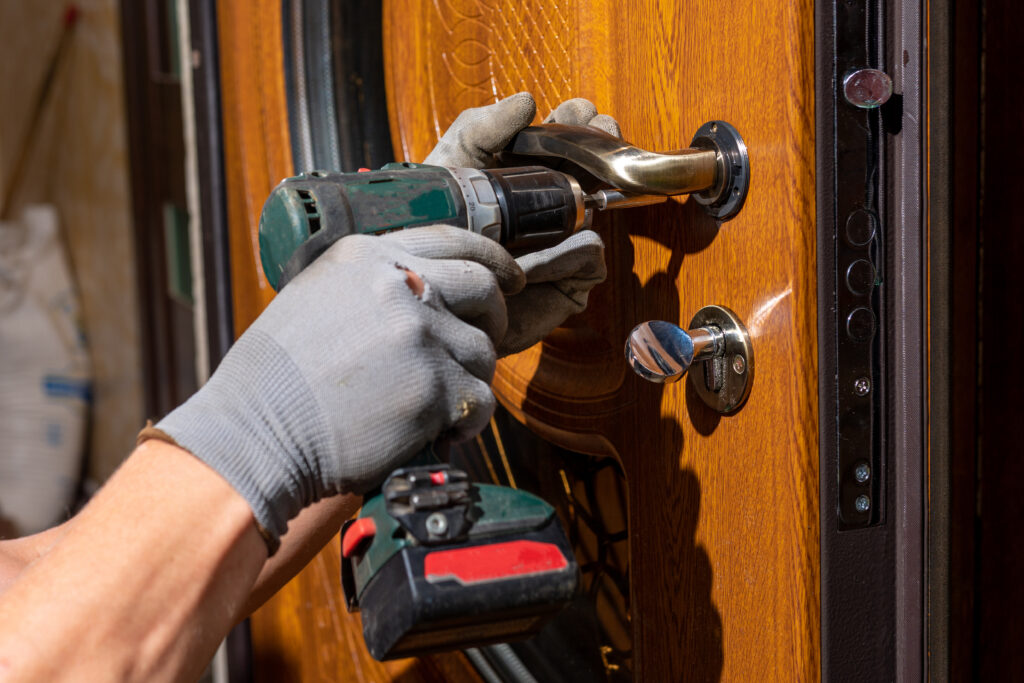
Tighten Loose Screws and Hinges
Weather fluctuations can loosen lock fittings. Make a habit of checking and tightening screws and hinges on doors, gates, and padlocks.
Replace Weather-Stripping
Moisture sneaking in from the frame can swell the wood and misalign your locks. Make sure the weather-stripping is in good shape.
Fun Fact: Did You Know?
Brass locks naturally resist corrosion better than steel ones—perfect for coastal areas like Simonstown and Noordhoek.
Preventative Maintenance Tips
| Tip | Benefit |
|---|---|
| Use lock covers or shields | Protects from direct rain and salty wind |
| Install stainless steel locks | Greater resistance to corrosion |
| Regular locksmith inspections | Catch issues early before they cause failures |
| Avoid spraying WD-40 | Attracts dust and gums up the mechanism |
How to Maintain Your Locks During Different Seasons
Cape Town’s summer dries things out fast—great for beach days in Camps Bay, not so great for lock lubrication. Winter brings in the moisture. Adjust your lock care routine accordingly:
- Summer: Check for cracking and dryness.
- Winter: Watch for swelling wood, rust, and moisture buildup.
Personal Experience from the Field
Just last month, I helped a family in Sea Point who couldn’t unlock their front gate. Turns out, their wrought iron lock had rusted solid from years of sea breeze exposure. With some elbow grease and the right rust remover, we got it working again—and installed a stainless steel replacement.
In Hout Bay, we had a case where moisture caused a lock to freeze up entirely. Our team cleaned, dried, and resealed the lock with a weatherproof cover. No more issues since.
Conclusion
Living in Cape Town means adapting to its ever-changing moods—and your locks need the same attention. Now that you know how to maintain your locks, take a few minutes each season to give them the care they need. Whether you’re in Blouberg, Camps Bay, or Bellville, proactive maintenance saves time, money, and frustration.
Locks may be small, but they’re your first line of defence. Keep them happy, and they’ll return the favour.
Frequently Asked Questions (FAQ)

1. Can I use WD-40 to lubricate my locks?
Nope! WD-40 attracts dirt and dust. Use a silicone or graphite-based lubricant instead.
2. How often should I clean my locks?
Every 3–6 months is ideal, especially in coastal areas like Sea Point or False Bay.
3. What’s the best type of lock for coastal Cape Town?
Stainless steel or brass locks hold up best against salt and humidity.
4. My key is hard to turn—what should I do?
Try lubricating first. If it still sticks, the internal mechanism may be worn or corroded. Call a locksmith.
5. How do I prevent rust on outdoor locks?
Use lock covers, choose corrosion-resistant materials, and clean regularly.