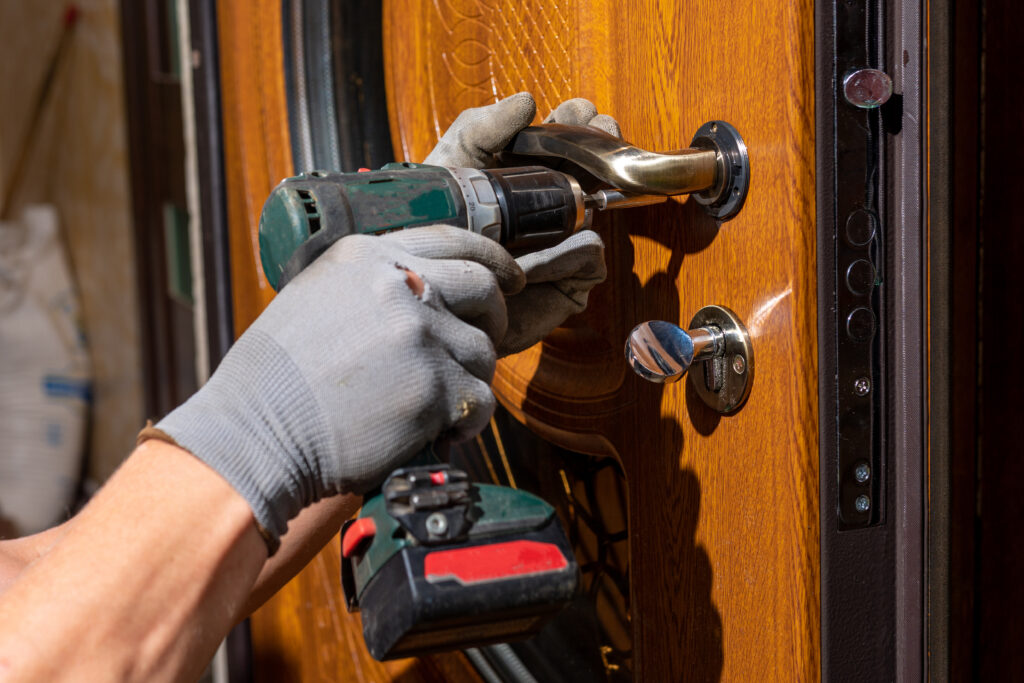
As a professional locksmith in Cape Town, I’ve lost count of how many times I’ve arrived at homes from Claremont to Camps Bay, only to find that a simple can of lubricant could have saved my clients a lot of time, money, and frustration. Locks, like any moving part, need care—especially in our salty, sea-air climate.
Lock lubrication might sound like a small thing, but it’s one of the most overlooked aspects of home maintenance. If you live in the Southern Suburbs, Northern Suburbs, or along the Atlantic Seaboard, this guide will show you how to keep your locks working smoothly all year round.
Why Lock Lubrication Matters in Cape Town
Ever tried turning your front door key during a Cape winter storm only to feel it jam halfway in? That’s what we call a “lock tantrum.” With Cape Town’s high humidity, proximity to the ocean, and occasional dust storms from the West Coast, it’s no wonder that locks get sticky, corroded, or downright moody.
Lock Lubrication and Salt Air: A Bad Combo
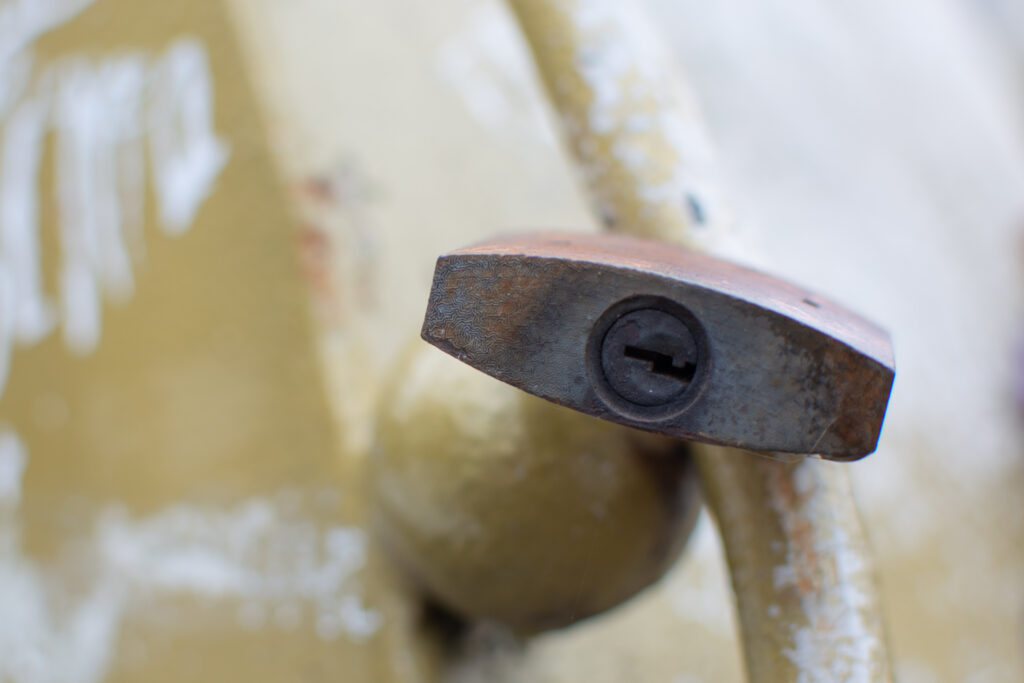
Lock mechanisms in areas like Bloubergstrand, Simonstown, and Sea Point often suffer from salt build-up, which leads to rust and corrosion. Regular lock lubrication is key to preventing these issues. I always recommend a quick spray every three to six months, depending on your suburb’s exposure to the elements.
How to Lubricate Your Locks Like a Pro
Lock lubrication isn’t rocket science. But it also isn’t as simple as grabbing the nearest spray can. Here’s how I do it professionally.
Tools You’ll Need
| Tool | Description |
|---|---|
| Graphite powder | Best for internal lock components; dust-free |
| Teflon-based lubricant | Ideal for external locks exposed to weather |
| Microfiber cloth | For wiping away old debris or rust |
| Small brush | To clean out keyholes and visible moving parts |
Step-by-Step Guide
- Clean the Lock: Use a dry cloth to remove dust and grime.
- Brush It Out: A toothbrush or small wire brush helps clear out stubborn debris.
- Apply Lubricant: Spray or puff a small amount into the keyhole and onto the latch.
- Insert and Turn the Key: This distributes the lubricant through the internal mechanism.
Fun Fact: WD-40 isn’t actually the best option for lock lubrication! It’s a water-displacing spray, not a true lubricant, and can cause build-up over time. Rather keep that for squeaky hinges.
Lock Lubrication in Cape Town’s Diverse Climates
Each area in Cape Town has its own environmental quirks. I’ve done lock repairs in Bishopscourt, where the damp can be a nightmare, and in Pinelands, where dust is the bigger issue. Here’s a quick look:
| Area | Common Issue | Best Lubricant Type |
|---|---|---|
| Sea Point | Salt corrosion | Teflon-based spray |
| Tokai | Moisture & humidity | Silicone spray |
| Bellville | Dust & debris | Graphite powder |
| Noordhoek | Temperature changes | Teflon-based or graphite |
| Rondebosch | General wear | Light dry lube |
Common Mistakes Homeowners Make
Not Lubricating At All
Locks need love too. Leaving them dry invites wear and tear.
Using the Wrong Product
Cooking oil? Vaseline? Just no. I once had to replace an entire deadbolt in Newlands because someone used margarine. True story.
Forgetting Sliding Doors and Gates
In suburbs like Constantia and Westlake, I often see neglected patio door locks and driveway gate mechanisms. These need attention too!
Lock Lubrication Tips from a Cape Town Locksmith
When it comes to effective lock lubrication, here are a few pointers I share with clients:
- Don’t over-lubricate. A little goes a long way.
- Clean locks before you lube.
- Test the key after lubrication.
- Schedule seasonal checks—especially before the wet season.
Lock Lubrication Safety Tips
- Avoid flammable lubricants near open flames.
- Keep lubricants out of reach of children.
- Wipe up any excess to prevent slipping.
Conclusion
If there’s one takeaway from this guide, it’s that regular lock lubrication can save you money, improve home security, and prevent emergency lockouts—especially in a city as dynamic as Cape Town.
Whether you live in Plumstead, Simonstown, or Bloubergstrand, your locks are quietly working 24/7. Give them the care they deserve. And if things get stuck despite your best efforts? Give me a call—I’m probably just around the corner.
FAQ: Lock Lubrication Guide for Cape Town Homeowners

1. How often should I lubricate my locks in Cape Town?
Every 3 to 6 months, especially in coastal or humid areas like False Bay and Sea Point.
2. Can I use WD-40 on my locks?
Rather not. It’s a temporary fix and can cause build-up. Use a Teflon-based or graphite lubricant instead.
3. What lubricant is best for outdoor locks?
Teflon-based or silicone sprays work well for weather-exposed locks.
4. How do I know my lock needs lubrication?
If the key sticks, grinds, or doesn’t turn smoothly, it’s time for a lube.
5. Can I lubricate a digital or smart lock?
Yes, but follow the manufacturer’s instructions. Only lubricate mechanical parts, not electronic components.